
What if the subtle bumps and jolts athletes experience in sports could affect their brains, even without a full concussion? A remarkable neuroscience study, led in part by high school students, has been published in the prestigious peer-reviewed journal Scientific Reports. This research delves into the world of subconcussive impacts in youth sports, finding that even small, repeated hits may be linked to changes in brain function, especially in female athletes.
Contents
This study is a powerful demonstration of what young minds can achieve when given the right tools and mentorship in brain health research.
High Schoolers Lead the Way in Neuroscience
This isn’t your average school project. The research was spearheaded by dedicated students from the BRAIN (Brentwood Research Action & Innovation in Neuroscience) club at Brentwood College School. Working side-by-side with leading scientists and clinicians from institutions like Simon Fraser University, Mayo Clinic, and Columbia University, these students were involved in every stage of the process, from planning to publication.
The project began under the guidance of a retired science teacher and continues today, showcasing a unique model of student-led research at a professional level.
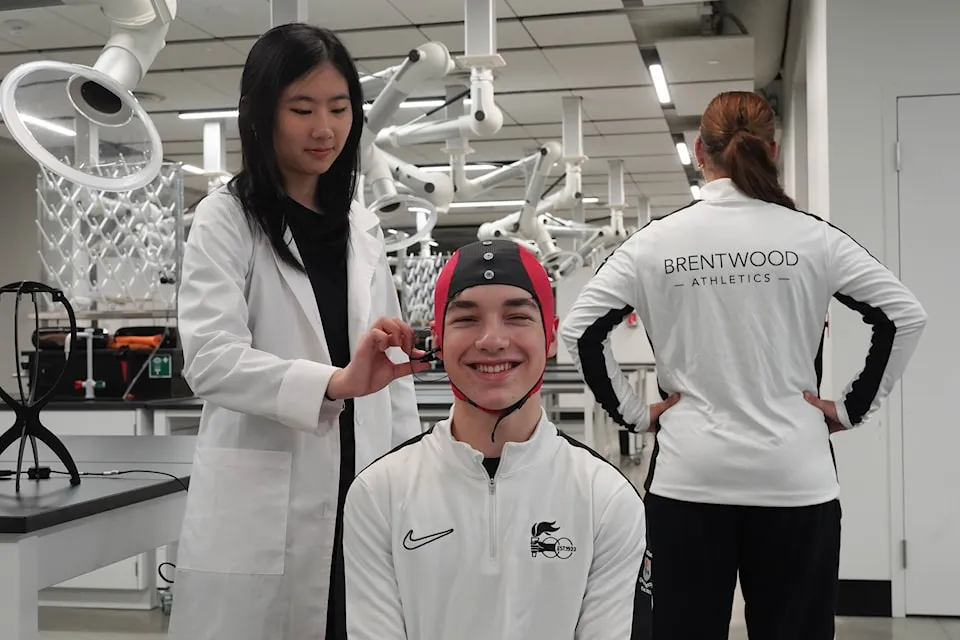 High school students work on a neuroscience study using brain-scanning technology.
Unpacking “Subconcussive Impacts”
We often hear about concussions – the more severe brain injuries with clear symptoms. But what about the many smaller, less obvious hits that happen constantly in sports? These are subconcussive impacts. They don’t cause immediate dizziness or confusion, but the big question is: do they have a cumulative effect on the brain over time?
This study aimed to shed light on this less-understood area, specifically in the context of high school athletes.
The Study: Scanning Athletes’ Brains
To investigate, the research team used portable brain-scanning technology. They measured cognitive brain function in 89 high school athletes, conducting a total of 231 scans. The athletes participated in various sports, allowing researchers to compare those in high-contact sports (like rugby or soccer) with those in low-contact sports.
The scans measured how quickly and efficiently the athletes’ brains processed information and responded to stimuli – essentially, how well their brain’s “apps” were running.
Surprising Findings: Delays and Gender Differences
The results revealed some significant patterns. Athletes participating in high-contact sports showed noticeable delays in cognitive and auditory responses compared to their peers in low-contact sports. This suggests that even without a diagnosed concussion, repeated impacts might be subtly affecting how the brain processes information.
Perhaps even more striking were the findings related to female athletes. The study indicated that female athletes experienced significantly larger disruptions in attention and overall cognitive processing compared to males. This raises crucial questions about potential gender-specific vulnerabilities and safety protocols in youth sports.
Why This Research Matters
This study is important for several reasons:
- It highlights the potential impact of subconcussive hits: While more research is needed, the findings add to the growing body of evidence suggesting that the focus shouldn’t just be on concussions, but on the overall cumulative effect of head impacts in sports.
- It points to potential gender differences: The findings regarding female athletes underscore the need for more targeted research and potentially different safety considerations based on sex.
- It showcases youth potential: That high school students were integral to publishing research in a top scientific journal is truly inspiring and demonstrates the importance of early access to real-world science.
Understanding these effects is critical for developing better safety guidelines, training methods, and protective gear for young athletes.
Continuing the Exploration
The BRAIN team at Brentwood College School isn’t stopping here. They continue their research, aiming to perform more scans and delve deeper into how the brain recovers from sports impacts. Future studies will explore long-term effects and potential strategies for mitigating risks. Their ongoing work promises to contribute valuable insights to the fields of youth sports safety and neuroscience.
You can find the full published paper on the Scientific Reports website.





